A Sacred Space for Your Child: Bringing Hindu Culture Home

As parents, we fill our homes with things that we hope will nurture our children: books to make them smart, toys to make them creative, and comfortable beds to help them rest. But what if we could also design a space that nurtures their soul?
Building a small spiritual corner or incorporating sacred elements into your home can help your child develop a beautiful, natural connection to their Hindu cultural roots. It’s not about creating a formal, intimidating temple; it’s about weaving gentle, daily reminders of love, courage, and wisdom into the fabric of their life.
The Power of Seeing is Believing Children learn about the world through their senses. A picture, a symbol, or an object they see every day can become a silent storyteller. When they glance at a picture of baby Krishna, they are reminded of playfulness and joy. When they see an Om symbol, they are reminded of peace. These sacred images serve as gentle anchors in their busy day.
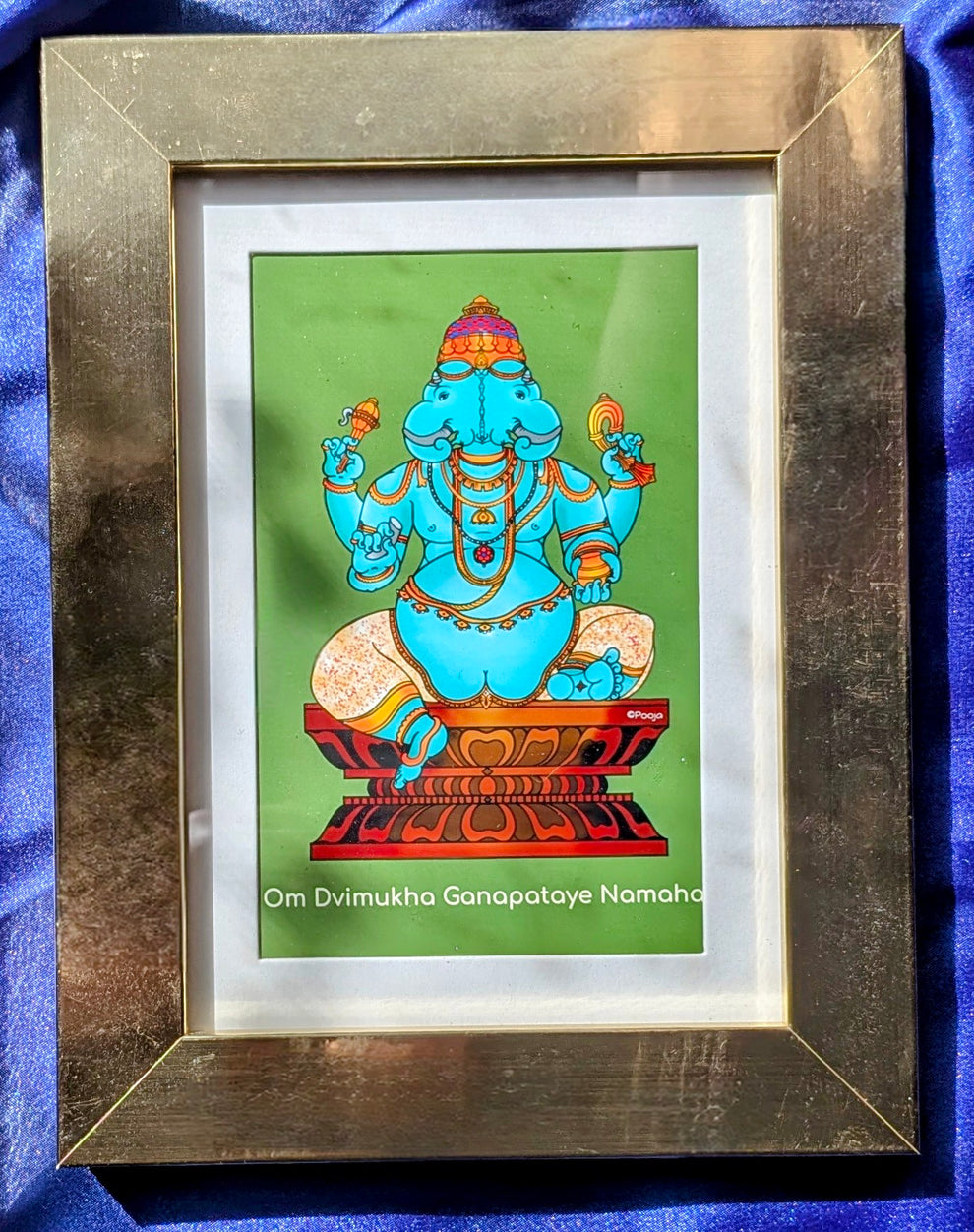
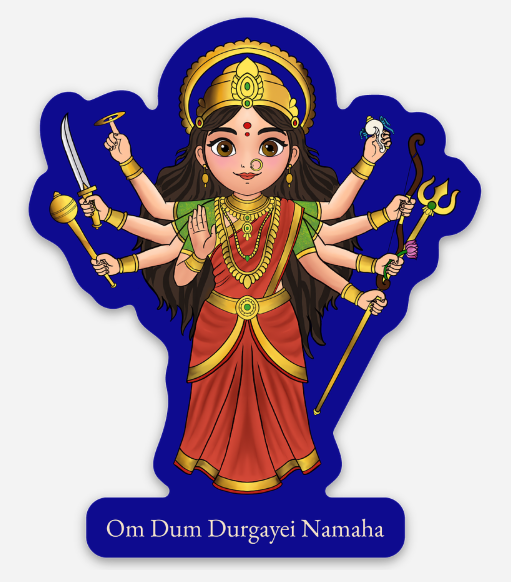
Essential Elements for Your Child's Space Friendly Wall Art: Look for colorful, child-friendly pictures of deities. Hanuman is perfect for inspiring courage, while Ganesha can remind them of wisdom and overcoming obstacles. You can also find beautiful artwork that tells a whole story, like Krishna lifting the Govardhan Hill.
Mantras and Words of Wisdom: A simple poster with a Sanskrit mantra like "Lokah Samastah Sukhino Bhavantu" (May all beings everywhere be happy and free) along with its English translation can plant a seed of compassion in their heart.
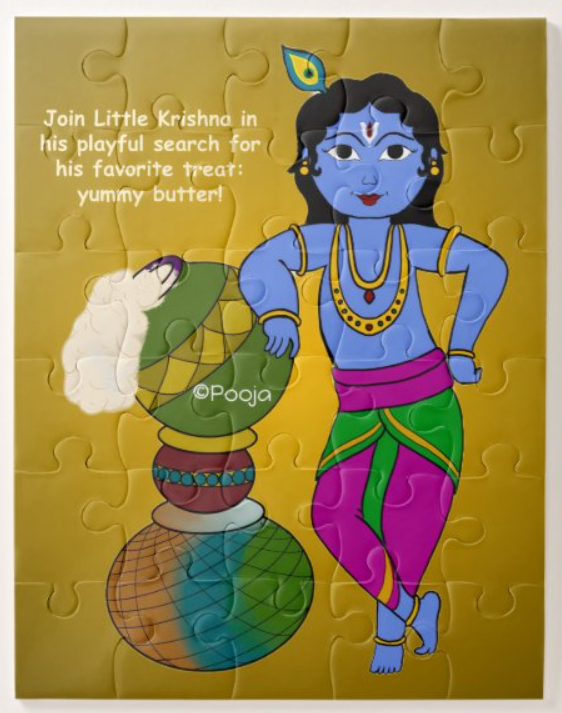
An Interactive Corner: Children love to participate! A small, low shelf can become their own personal shrine. Let them place a fresh flower there each morning, arrange small, safe murtis, or even help "put them to sleep" at night. Puzzles or sticker books with mythological scenes also make learning hands-on and fun.
Growing with Their Age For Toddlers (Ages 3-6): Keep it simple and bright. Focus on friendly pictures, simple one-line stories, and the feeling of a happy, safe space. For Kids (Ages 7-12): You can now introduce more complex stories and symbols. Explain why Ganesha has a mouse or why Hanuman is so strong. They are ready to understand the deeper meanings. For Teens: This is a time for personal exploration. Encourage them to choose the artwork or symbols that resonate with them. Ask them questions and allow them to form their own connection to their heritage.
The most important part of this process is to make it personal. When you let your child help choose the elements for their sacred space, you give them ownership. It’s no longer just decor—it’s their corner, their connection, and a genuine part of their spiritual journey.
Frequently Asked Questions
What should I include in a child's spiritual corner?
Include items that are meaningful, such as a small picture of a deity, fresh flowers, or a small bell. Keep it simple so that it remains a calm and welcoming space.
How does a sacred space help a child?
It gives them a quiet place to reflect and feel connected to their culture. It helps them associate these traditions with feelings of peace and comfort.
Should I let my child help set it up?
Absolutely, letting them help builds a personal connection to the space. It encourages them to take ownership and respect the items kept there.
Bring the Story Home
Story-inspired gifts and decor your child will love.